Thinking about buying in Stevenson Ranch but unsure how an HOA might affect your day-to-day life and budget? You’re not alone. Many neighborhoods here are part of planned communities, so HOAs are common and they vary by property type. In this guide, you’ll learn what dues typically cover, the rules you should expect, how to read the documents, and the due diligence steps that help you buy with confidence. Let’s dive in.
Why HOAs are common in Stevenson Ranch
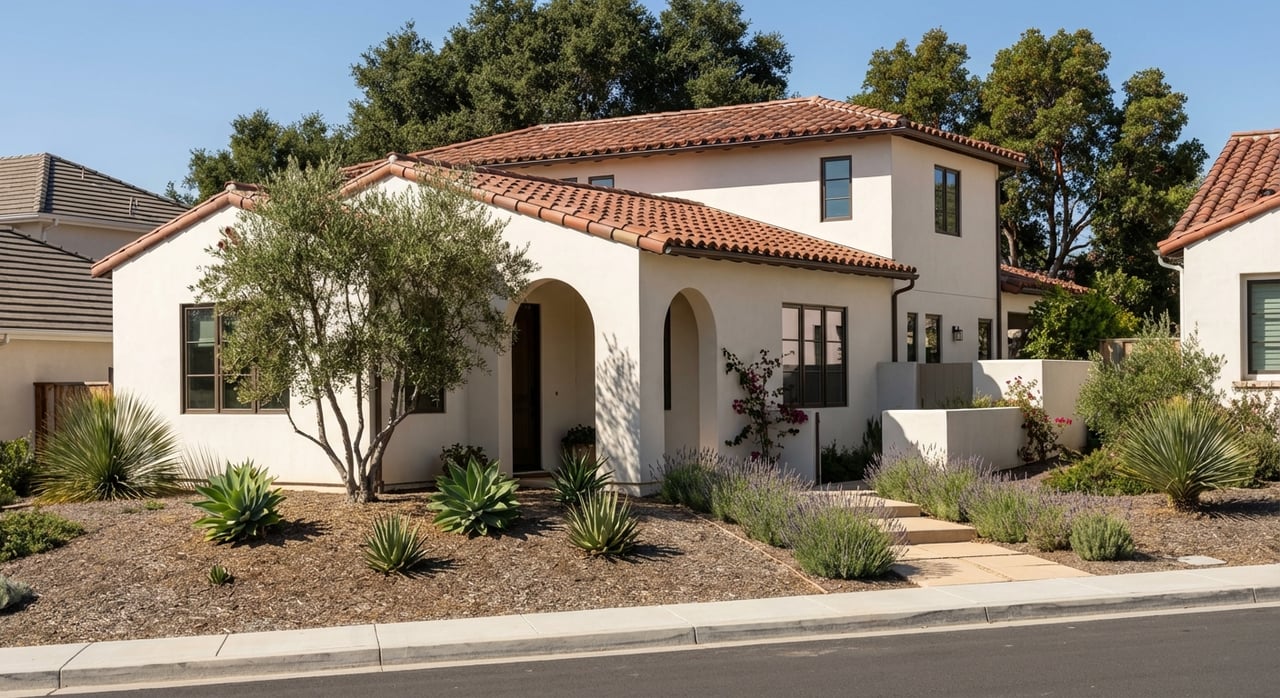
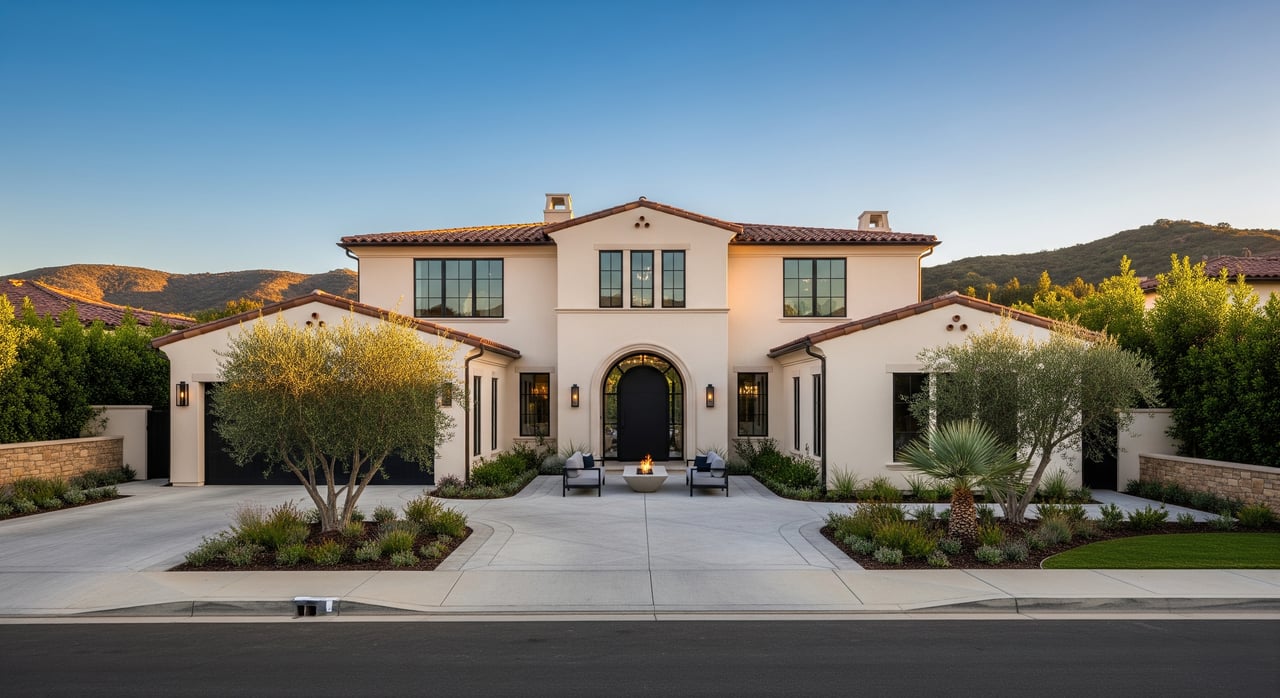
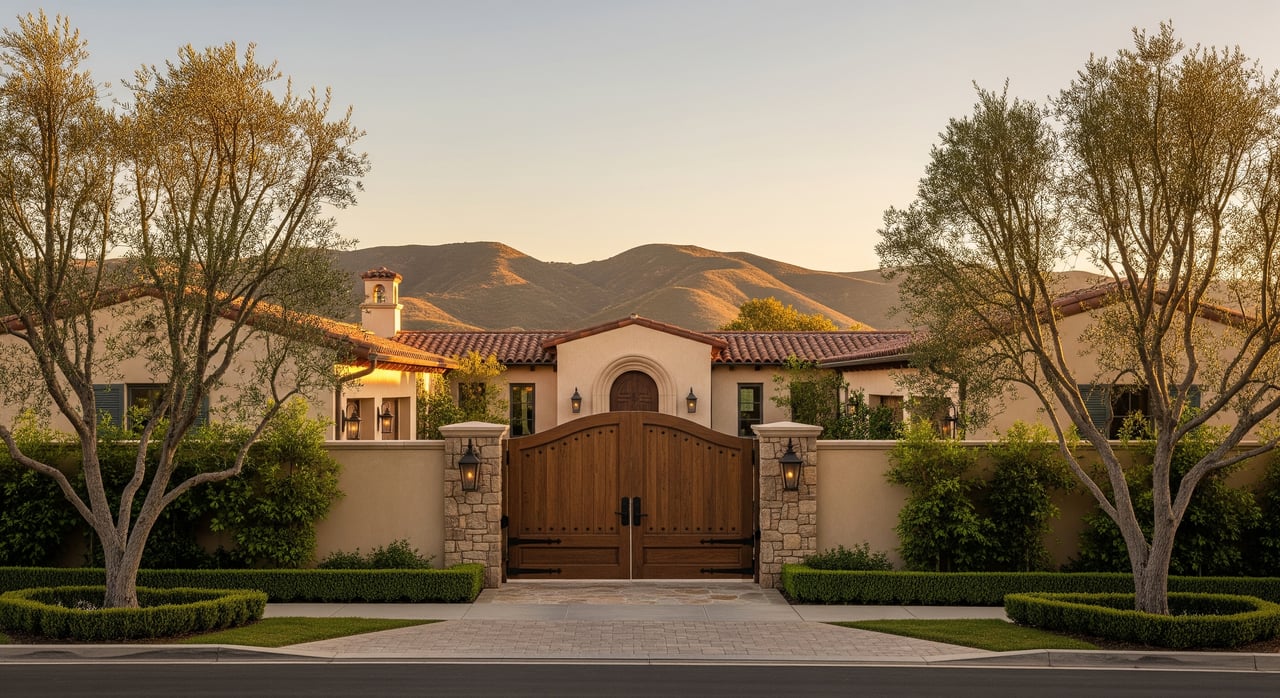
Stevenson Ranch is a master-planned community in the Santa Clarita Valley with a mix of condos, townhomes, and single-family neighborhoods. Many of these areas are governed by HOAs, including master associations with smaller sub-associations. This structure supports private amenities and consistent maintenance across the community.
Each HOA can be different. Some manage shared amenities like pools and parks. Others, especially condo or townhome associations, take on building exteriors and roofs. Local public agencies maintain public infrastructure, while HOAs supplement that with private facilities and standards unique to each development.
HOA fees: what to expect
HOA dues vary widely by subdivision and property type. Instead of focusing on a single number, compare fees across similar homes and dig into what they include.
Fee types you will see
- Monthly or quarterly dues for operating costs like landscaping, common-area utilities, management, and amenity upkeep.
- Special assessments for major projects when reserves or operating funds are not enough.
- Transfer, move-in, or administrative fees that cover document handling and onboarding.
- Fines or hearing fees for rule violations based on the association’s policies.
What drives dues up or down
- Property type. Condo and townhome associations often carry higher dues because they insure and maintain the building exterior and shared systems. Detached-home HOAs can be lower if they focus on common areas and amenities.
- Amenities and staffing. Pools, clubhouses, private roads, gates, on-site staff, and event programming increase costs.
- Reserves and deferred maintenance. Strong reserve funding can help prevent surprise special assessments. Thin reserves increase the risk of future charges.
- Services and insurance. The scope of landscaping, irrigation, trash, common-area utilities, and insurance needs all influence dues in the Los Angeles area.
Services and insurance basics
Understanding who handles what will help you plan your budget and upkeep.
Common services covered
- Landscaping and common-area care for parks, medians, and walkways.
- Pool, spa, and recreation facility maintenance.
- Exterior painting and basic exterior repairs in many condo or townhome communities.
- Gate and entry system upkeep where present.
- Street lighting and signage in private communities.
- Professional management and administrative services.
What HOAs usually do not cover
- Interior maintenance and personal property.
- Utilities for your home or unit unless the documents say otherwise.
- Driveways or yard areas for single-family homes if not specifically included.
- Your individual homeowner insurance policy.
Insurance essentials
- Condo associations typically carry a master property policy for common elements and the building structure. Condo owners usually need an HO‑6 policy for interior finishes, personal property, and loss assessment coverage.
- Single-family home HOAs carry liability and common-area coverage. Individual owners carry HO‑3 policies for their homes and belongings.
- Review the association’s insurance declarations, including deductibles and limits. Large deductibles can lead to owner assessments after a covered loss.
Rules you should expect
Rules are there to protect property values and keep common areas well maintained. They also affect daily life, so read them closely.
Common rule categories include:
- Architectural controls for exterior paint, additions, fencing, and landscaping, often with a formal approval process.
- Parking rules for guest parking, street use, and RV or boat storage.
- Pet guidelines covering number of pets, leash rules, and common-area restrictions.
- Leasing policies such as rental caps, minimum lease terms, and tenant registration.
- Signage and display rules for for-sale signs, political signage, and commercial displays.
- Noise, nuisance, and use rules, including quiet hours and pool hours.
- Holiday decoration timelines.
Enforcement typically follows written notices and hearings, and can include fines, suspension of amenity access, and lien rights for unpaid assessments. In California, HOAs operate within state rules that outline disclosures, meeting procedures, record access, elections, and dispute resolution steps.
How to read HOA documents
The resale or disclosure package contains the details that will shape your experience in the community. Set aside time to review it in full.
Documents you should receive
- CC&Rs that define use rules, assessments, and owner responsibilities.
- Bylaws that set board composition and meeting procedures.
- Articles of Incorporation for the association.
- Rules and Regulations and written policies.
- Current operating budget and recent financial statements.
- Reserve study and reserve funding plan.
- Recent board meeting minutes.
- Insurance declarations with coverages and deductibles.
- Litigation disclosures and delinquency statistics.
- Collection policy and management contact information.
- Architectural guidelines and application forms.
Key sections to review closely
- Definitions that explain terms like unit, lot, and common area.
- Use restrictions that outline rentals, home business, and occupancy rules.
- Maintenance responsibilities for roofs, exteriors, landscaping, and utilities.
- Assessment language for dues, late fees, special assessments, and lien rights.
- Architectural approval process and timelines.
- Amendment procedures and voting thresholds.
- Insurance and damage provisions that address rebuilding after a loss.
- Dispute resolution and enforcement, including hearing rights and fines.
Practical reading tips
- Start with definitions to understand the language of the documents.
- Use the table of contents and search for key terms like assessment, reserve, maintenance, architectural, rental, insurance, lien, meeting, and vote.
- Note notice periods and approval timelines so you know how long approvals may take.
- Watch for broad or vague nuisance clauses that could be enforced unevenly.
- Check how rules can be amended so you know how flexible the community can be over time.
Due diligence checklist
A careful review now helps prevent surprises later. Ask for these items before you write an offer when possible, or promptly during escrow.
Request these documents
- CC&Rs, bylaws, articles, and rules and regulations.
- Current budget and recent financial statements.
- Most recent reserve study and funding policy.
- Board meeting minutes for the past 12 to 24 months.
- Insurance declarations with deductibles.
- Statement of regular assessments and any pending special assessments.
- Litigation status report for the association.
- Delinquency report and collection policy.
- Management agreement and contact information.
- Architectural guidelines and forms.
- Owner to renter ratio and rental policy if applicable.
Ask these questions
- What do the monthly dues include and exclude?
- Are any capital projects or special assessments planned?
- What is the current reserve balance compared to the reserve study recommendation?
- Are there any active or recent lawsuits involving the HOA?
- What are the policies for rentals, pets, and parking?
- How does architectural approval work and how long does it take?
- Which rules are most commonly enforced?
- How are disputes handled and what are typical timelines?
Spot red flags early
- Low reserves paired with large upcoming projects.
- Recent or frequent special assessments.
- High assessment delinquency rates.
- Active or pending litigation that could increase costs.
- Very restrictive CC&Rs that conflict with your lifestyle.
- Frequent management turnover on a community that appears to need professional oversight.
HOA vs non‑HOA living: tradeoffs
There is no one-size-fits-all answer. HOAs offer maintenance, amenities, and consistent appearance across neighborhoods. They also come with monthly costs, rules, and shared decision-making. If you value amenities and a cohesive look, an HOA can be a good fit. If you want maximum flexibility for exterior changes or parking, a non‑HOA home might suit you better.
A smart comparison focuses on the full financial picture, the scope of services, and how the rules align with your lifestyle. Review documents and minutes, and weigh the value of amenities against dues and potential assessments.
Make a confident choice in Stevenson Ranch
You deserve clear answers before you commit. If you want help interpreting CC&Rs, comparing dues, or evaluating reserves in a specific Stevenson Ranch subdivision, let’s talk. As a local real estate professional focused on the Santa Clarita Valley, I’ll walk you through the documents, the neighborhood context, and the tradeoffs so you can buy with confidence.
Ready to explore the right fit for you? Connect with Kym De Lorenzo for a focused, local consultation.
FAQs
What is an HOA and how does it work in Stevenson Ranch?
- An HOA is a nonprofit association that manages common areas, amenities, and community standards for a specific development. In Stevenson Ranch, many neighborhoods are part of master-planned communities with HOAs that vary by property type and scope.
How much are HOA dues in Stevenson Ranch?
- Dues vary by subdivision and property type. Compare fees across similar homes, review the current budget and reserve study, and confirm what services and insurance are included before you buy.
What do typical HOA dues cover for condos vs single-family homes?
- Condo and townhome dues often include exterior building maintenance and a share of master insurance. Single-family dues usually focus on common-area landscaping and amenities. Always verify in the resale package.
What is a special assessment and when is it used?
- A special assessment is a one-time or limited-term charge when the HOA needs funds for capital projects or repairs not covered by reserves or regular dues.
Which HOA documents should I read before closing?
- Carefully review the CC&Rs, bylaws, rules and regulations, budget and financials, reserve study, insurance declarations, recent meeting minutes, litigation disclosures, and the collection policy.
What are common HOA rules I should expect?
- Expect architectural approval for exterior changes, parking and pet rules, leasing policies, and guidelines for signage and noise. Enforcement usually follows written notices and hearings under California procedures.