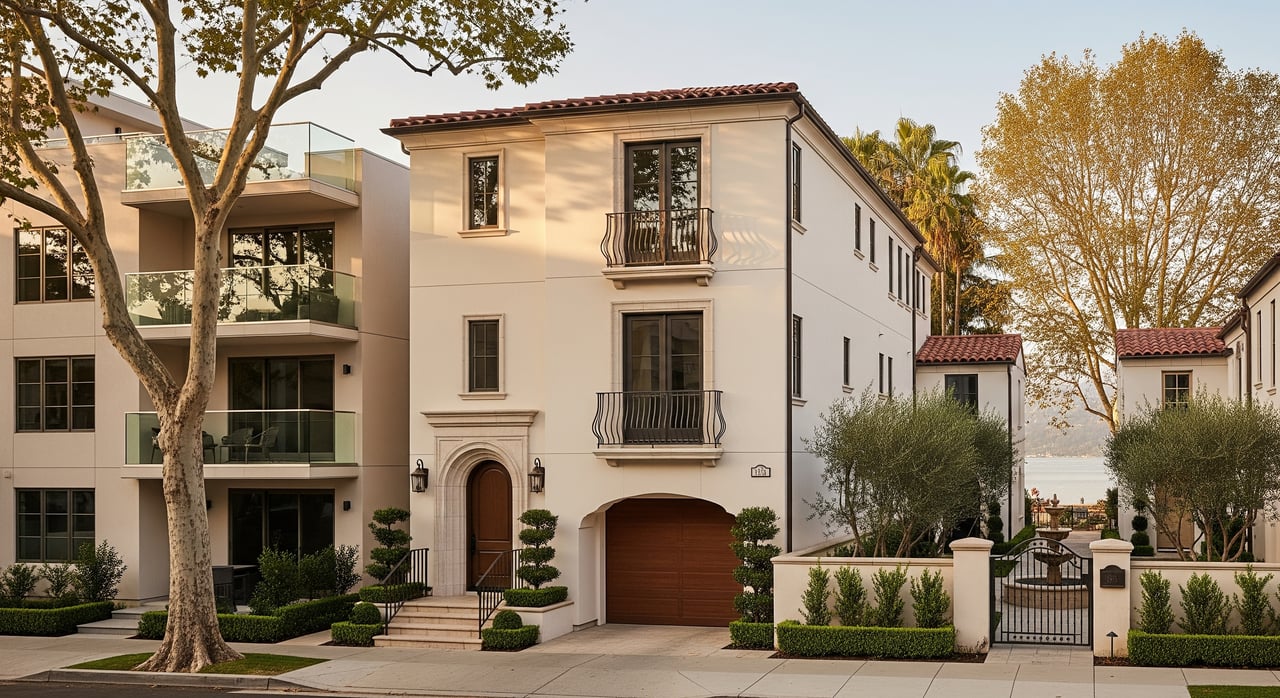
Trying to decide between a condo, a townhome, or a PUD in Toluca Lake? You are not alone. These terms can be confusing because they describe both how homes look and how they are legally owned and maintained. In a neighborhood with older garden-style buildings, newer attached homes, and a few gated communities, the details matter. In this guide, you will learn what each option really means in California, how HOAs and insurance work, what lenders look for, and the local checks you should make before you buy. Let’s dive in.
What each one means in California
Condo: ownership of interior airspace
A condominium gives you ownership of the interior of your unit, often called the “airspace,” plus a shared interest in the building and land. The HOA usually manages the exterior and common areas. In California, most condos operate under the Davis-Stirling Common Interest Development Act, which sets rules for HOAs, budgets, disclosures, and community documents.
Townhome: building style, not a legal type
A townhome describes a multi-level attached home, but the legal structure can vary. Some townhomes are legally condos, and others are fee-simple homes where you own the land and structure. Your maintenance and insurance responsibilities depend on how the project is organized and what the CC&Rs say.
PUD: fee-simple with shared areas
A planned unit development typically means you own the lot and the structure, and you also share common areas like private roads or recreation spaces through an HOA. PUD owners usually control and maintain their exterior, roof, and yard, while the HOA manages common amenities and enforces community standards.
Ownership and maintenance: who handles what
Common patterns to expect
- Condo: HOA handles exterior walls, roof, common systems, landscaping, and shared amenities. You handle interiors and finishes. Some balconies or patios may be your responsibility depending on the CC&Rs.
- Townhome as condo: Responsibilities look like a condo, with the HOA covering the building shell and common areas.
- Townhome/PUD as fee-simple: You maintain your exterior, roof, and yard. The HOA maintains shared amenities, private roads, and common landscaping.
Always confirm the legal form in the title and the CC&Rs. Appearance does not determine responsibility.
Insurance and HOA dues: what to expect
Typical insurance needs
- Condo: You usually need an HO-6 policy that covers your interior improvements and personal property. The HOA’s master policy covers common elements and often the building shell. Confirm coverage limits and deductibles.
- Townhome/PUD fee-simple: You generally need an HO-3 policy that covers the dwelling exterior and the land you own. The HOA’s master policy typically covers only common areas.
Ask for the HOA insurance declarations. Check if earthquake coverage is in place, optional, or unavailable, and note any high deductibles that could affect you in the event of a claim.
HOA dues and reserves
Condos often have higher dues because the HOA pays for more building systems and insurance. PUD and fee-simple townhome dues may be lower, but can still be significant if there are amenities or private roads. In any case, review the reserve study and budget. Low reserves and deferred maintenance can lead to special assessments.
Financing and resale in Toluca Lake
How lenders view each type
- Condos: Many lenders require the condo project to meet program standards. They review items like owner-occupancy levels, reserves, litigation, and overall project health. If a project does not meet a program’s standards, financing options can be limited or costlier.
- Townhomes/PUDs (fee-simple): Lenders often treat these like single-family homes for underwriting and appraisal. That typically makes financing simpler than for condo units.
If you plan to use FHA or VA financing, you may find PUDs and fee-simple townhomes easier to finance. If you consider a condo, confirm project eligibility early.
Appraisals and marketability
For condos, appraisers consider HOA dues, amenities, and recent sales within the same complex. The health of the HOA can affect value and days on market. In Toluca Lake, where many buyers value privacy and some land, fee-simple townhomes and PUDs can attract a broader buyer pool. That can support easier resale, depending on the home and community.
Lifestyle tradeoffs in Toluca Lake
- Condo: Best if you want low exterior maintenance and building amenities like a pool or gym. Expect more rules and possibly higher dues.
- Townhome or PUD: Best if you want more control over the exterior, private outdoor space, and a house-like feel with simpler financing in many cases.
- Parking: Assigned garages or covered parking can be a major value factor in Toluca Lake, where street parking can be tight.
Local checks that matter
Seismic and retrofit
Older multi-unit buildings in Los Angeles may be subject to retrofit programs. Ask whether required or recommended seismic work has been completed and how it was funded. This can affect dues and long-term costs.
Taxes and special districts
Some newer developments may have Mello-Roos or other special assessments. Review the tax bill and disclosures so you know your true monthly costs.
Short-term rental rules
The City of Los Angeles regulates short-term rentals, and HOAs can set stricter rules. Confirm both city policies and the HOA’s rules, especially if you plan to rent part-time.
Utilities and parking specifics
Find out what the HOA covers. Condos may have master-metered utilities; PUDs and fee-simple townhomes are often individually metered. Confirm assigned parking, guest parking, and any storage that transfers with the unit.
Due diligence checklist for Toluca Lake buyers
Request and review these items before you are fully committed:
Legal form and title
- Grant deed or vesting language that shows fee-simple ownership or condo airspace.
- Condominium plan or parcel map to verify boundaries and common elements.
HOA documents
- CC&Rs, bylaws, rules and regulations.
- Current budget, most recent reserve study, and the last 2–3 years of financials.
- Board meeting minutes for the last 12–24 months and any notices of special assessments.
- Master insurance policy declarations, including deductibles and earthquake coverage status.
- Any pending or past HOA litigation and the property management contact.
Maintenance and capital needs
- Recent major repairs or replacements and upcoming projects.
- Reserve fund strength and funding plan for future work.
- Evidence of seismic or other required retrofits, if applicable.
Rules that affect use and resale
- Rental caps or waitlists, short-term rental policy, pet restrictions, and parking rules.
- Architectural review steps for exterior changes.
Financing checks
- If using FHA, VA, or certain conventional loans, confirm project eligibility.
- Owner-occupancy and investor concentration, as some programs limit investor ratios.
Neighborhood and property fit
- Noise levels, street access, and proximity to major corridors like Ventura Boulevard.
- Comparable sales in the same complex or immediate area.
Taxes and utilities
- Any Mello-Roos or special tax assessments.
- Whether water, trash, or other utilities are HOA-paid or owner-paid.
How to choose the right fit
Start with lifestyle. Decide how much control you want over your exterior and how much maintenance you want to handle. If you prefer a lock-and-leave setup with amenities, a condo may fit. If you want a small yard or patio and more flexibility, look at fee-simple townhomes or PUDs.
Consider financing early. If you need FHA or VA, weigh PUDs and fee-simple townhomes first. For condos, confirm project eligibility before you fall in love with a unit.
Study the HOA’s health. Strong reserves, clear plans for capital projects, and stable dues reduce risk. Older Toluca Lake buildings can be great finds, but make sure you understand any retrofit history and upcoming work.
Review total monthly costs. Add HOA dues, special taxes, insurance, and utilities to your mortgage. Compare apples to apples across property types.
Think about resale. In Toluca Lake, many buyers value privacy, parking, and outdoor space. A fee-simple townhome or PUD can attract that audience, while a well-run condo with amenities can appeal to low-maintenance buyers. Decide which pool you want to target for your future resale.
Ready to walk through real listings, run numbers, and review HOA packages together? Reach out to Kym De Lorenzo for a clear plan tailored to your goals and the Toluca Lake market.
FAQs
What is the main difference between a condo and a townhome in California?
- A condo is ownership of interior airspace with shared common areas, while a townhome is a building style that can be legally a condo or fee-simple; your responsibilities depend on the CC&Rs and legal form.
How do HOAs differ for condos vs PUDs in Toluca Lake?
- Condo HOAs often handle building exteriors and major systems, which can mean higher dues; PUD HOAs maintain shared areas while owners handle their own exteriors and yards.
What insurance do I need for a condo or townhome in Los Angeles?
- Condo owners typically need an HO-6 policy for interiors, while fee-simple townhome and PUD owners generally need an HO-3 dwelling policy; confirm the HOA master policy and deductibles.
Is condo financing harder than PUD or townhome financing?
- It can be. Lenders often require condo project approvals that review reserves, litigation, and owner-occupancy; fee-simple townhomes and PUDs are often treated like single-family homes for underwriting.
What Toluca Lake-specific issues should I check before buying?
- Review seismic or retrofit history, HOA reserves and planned projects, parking assignments, potential Mello-Roos taxes, and short-term rental rules from both the city and the HOA.
How do HOA reserves affect my purchase decision?
- Strong reserves reduce the risk of special assessments and support stable dues; low reserves or deferred maintenance can increase your long-term costs and impact financing and resale.