Selling a home in Los Angeles rarely happens in one quick burst. Even in a market where homes can sell close to asking price, the timeline usually unfolds in distinct phases, and the biggest delays often happen before your home even goes live. If you want a smoother sale, better momentum, and fewer last-minute surprises, it helps to know what to expect from prep to closing. Let’s dive in.
Why timing matters in Los Angeles
Los Angeles is not a same-day selling market right now. Recent snapshots show a broad range of market pace, with about 45 to 68 days on market depending on the source and geography, while sale-to-list ratios remain close to asking price at roughly 98.9% in the city and 99.4% in the county according to local market snapshots from Realtor.com and Redfin.
That matters because your sale is not just about putting a sign in the yard. In a market with meaningful inventory and a multi-week selling pace, pricing, presentation, paperwork, and escrow readiness all play a bigger role in how smoothly your timeline unfolds.
The four phases of a home-selling timeline
The cleanest way to think about your Los Angeles home-selling timeline is in four steps:
- Prep
- Launch
- Escrow
- Close
Each phase has its own tasks, decision points, and potential slowdowns. When you plan for all four, you can move with more confidence and avoid rushing the parts that matter most.
Phase 1: Prep before you list
This is where many sellers underestimate the timeline. Before your home is truly launch-ready, you may need to work through condition, disclosures, documents, and presentation.
Get the home market-ready
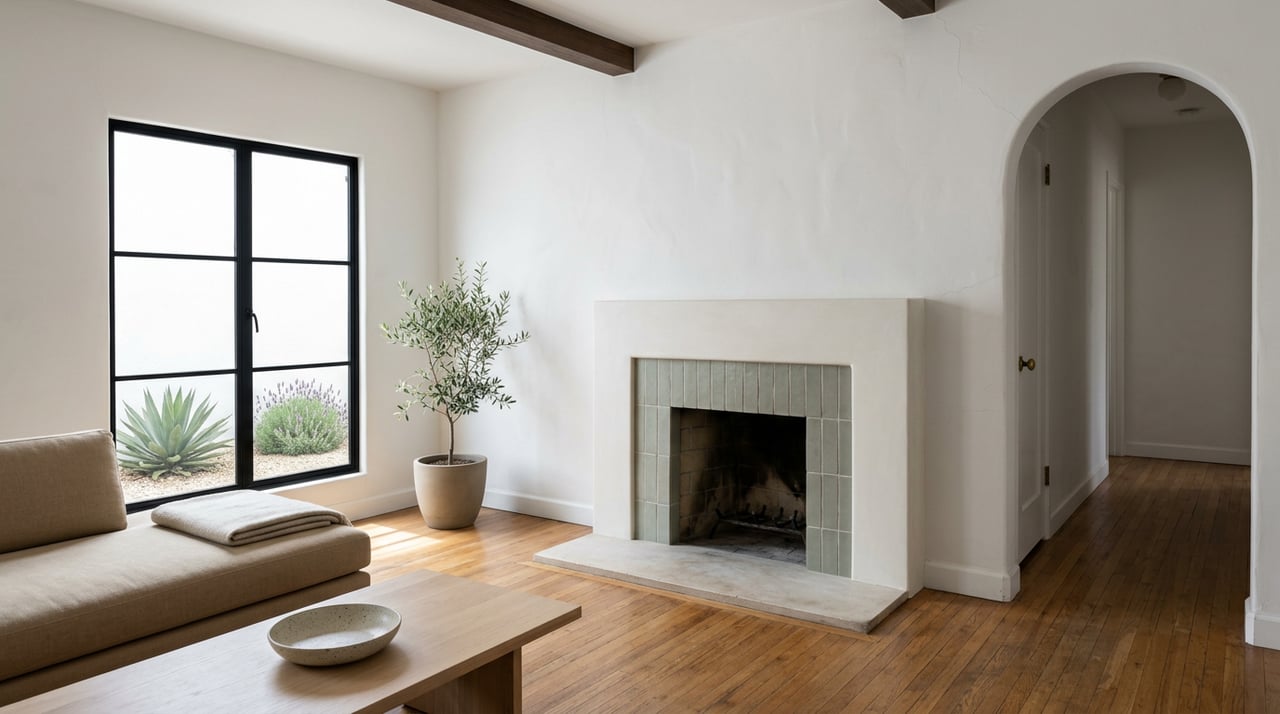
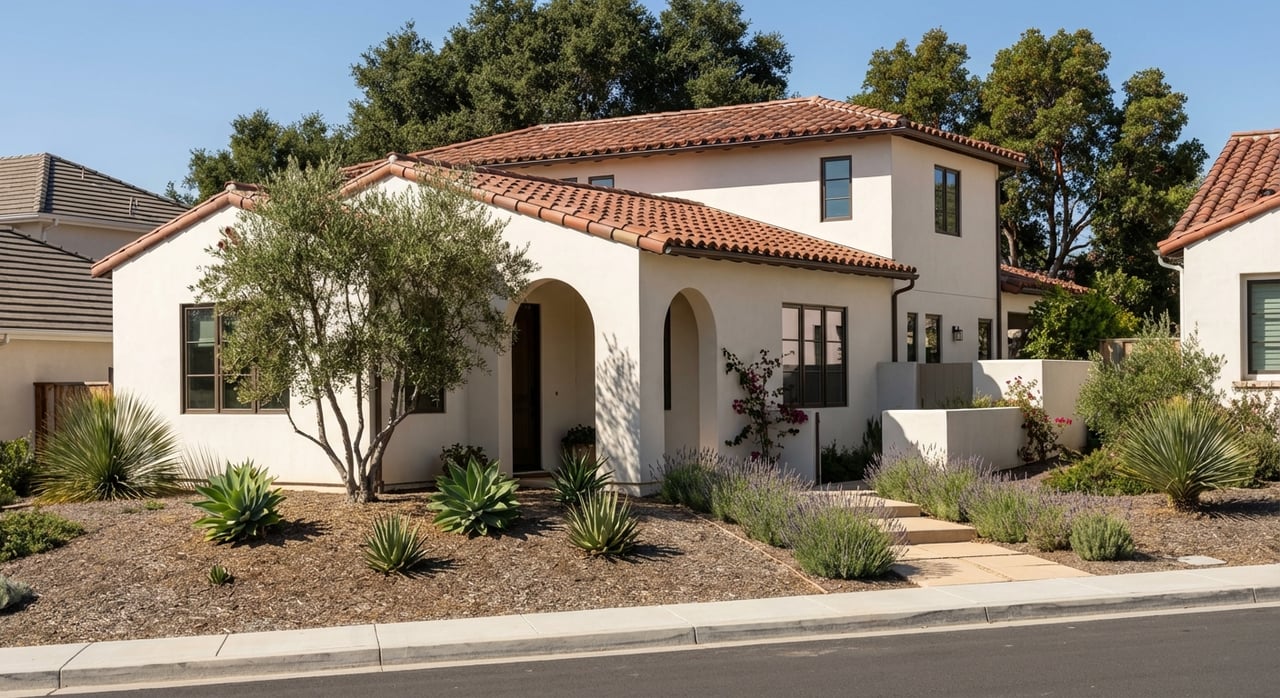
According to the National Association of Realtors consumer guide on marketing your home, marketing often includes staging, professional photography, social media, signage, open houses, and competitive pricing. The same guide notes that cleaning, decluttering, and curb appeal improvements can make a home more marketable.
For many Los Angeles sellers, this means taking time to:
- declutter and clean thoroughly
- handle minor repairs
- improve curb appeal
- prepare for staging
- coordinate photography and marketing assets
This stage is especially important if you want your home to stand out online. At De Lorenzo Properties, this is where a marketing-first strategy can make a real difference, because strong presentation helps create early momentum once your listing hits the market.
Gather disclosures early
Paperwork can be one of the biggest hidden timeline drivers. California sellers of most 1-to-4 unit residential properties must provide a Real Estate Transfer Disclosure Statement as soon as practicable before title transfers.
If that disclosure is delivered after an offer is signed, the buyer generally has a 3-day right to terminate if it is delivered in person, or 5 days if delivered by mail. That is one reason it is smart to prepare disclosures before you list whenever possible.
Check for hazard and property-specific documents
You may also need a Natural Hazard Disclosure Statement, which covers mapped hazards such as flood areas, dam inundation areas, very high fire hazard severity zones, earthquake fault zones, and seismic hazard zones. If your home was built before 1978, federal lead-based paint disclosure materials are also required.
If your property is a condo, townhome, or part of a common-interest development, association documents may also be needed before closing. These can include governing documents, budgets, reserve information, and delinquent-assessment statements. Waiting too long to request them can slow your timeline.
Surface title and payoff issues early
The California Department of Real Estate escrow guide notes that escrows can slow down or cancel because of loan approval issues, underwriting delays, lien payoff problems, and late or incomplete documents. Title issues that show up late can also delay closing.
That is why the prep phase is not just cosmetic. It is also a chance to identify payoff questions, title concerns, and missing documents before they interfere with your closing date.
Phase 2: Launch your listing strategically
Once your home is ready, the next phase is launch. This is when pricing, exposure, and first impressions start shaping your results.
Make the first weekend count
NAR notes that MLS exposure usually provides the broadest reach, and that showings and open houses help buyers experience the property in person. The guide also says that holding the first open house the weekend after the home goes on the market can help maximize exposure.
That first window matters because buyers often pay the most attention when a listing is new. A polished launch can help you generate stronger activity early, rather than trying to fix weak momentum later.
Price and presentation influence timeline
Los Angeles market snapshots show that homes are still selling close to list price in many cases, not far below it. Based on that pattern, accurate pricing and strong presentation may help reduce time in the active listing phase, though results are never guaranteed.
In practical terms, this means you want your launch to include:
- a pricing strategy aligned with current market conditions
- strong listing photos and media
- clean, complete property information
- clear showing access
- a plan for early buyer exposure
Prepare for seller decisions
After launch, the timeline becomes less about setup and more about response. This is the phase where you may decide whether to accept an offer, counter, or wait for better terms.
Homes that were prepared before listing, launched with complete paperwork, and priced for the current market often avoid delays that come from scrambling midstream. A smoother start usually gives you more control once offers begin coming in.
Phase 3: Move through escrow
Accepting an offer is a major milestone, but it is not the finish line. In California, escrow is a separate phase with its own deadlines and risks.
Understand what escrow means
The DRE explains that the escrow length and target close date are set by the purchase contract and escrow instructions. The escrow officer helps coordinate with the lender, requests closing funds, and works to make sure all escrow conditions are satisfied before closing.
This phase may include:
- buyer loan processing and underwriting
- document review and signatures
- title work
- payoff coordination
- fulfillment of contract and escrow conditions
Know what can delay escrow
The same DRE escrow guide notes that escrow can be delayed by missing signatures, incomplete documents, disputes between the parties, and loan underwriting issues. In many transactions, the final signing is not the hardest part. The bigger risks often come from lender timelines, title concerns, and paperwork gaps.
This is why preparation before listing pays off. If disclosures, HOA materials, and payoff details are already in motion, you are less likely to hit avoidable delays after you accept an offer.
Phase 4: Close and plan your move
Closing is the point where the sale is legally completed, but even this last step has a process.
What counts as closing in California
According to the DRE, escrow is complete only when all conditions have been met, the loan has funded if financing is involved, the documents have been recorded, and the property and funds have legally changed hands. The DRE also notes that recording usually happens the next business day after funding, though some counties may record the same day.
So if you are planning utilities, movers, or possession dates, it is wise to build in a little flexibility. Funding and recording are what actually finish the transaction.
Build a relocation buffer
If you need to remain in the home after closing, that should be negotiated in writing before the sale is final. The California Association of Realtors purchase agreement contemplates a separate occupancy agreement when the seller remains in possession after close, and the SIP addendum is intended for short-term occupancy of less than 30 days.
That makes move planning an important part of your timeline. Instead of assuming you will move out on the exact day escrow closes, it is smarter to create a buffer and address post-closing occupancy early if you think you may need it.
A simple Los Angeles seller timeline
While every sale is different, the safest way to plan is by phase rather than by one exact number of days.
| Phase | What happens | Common delays |
|---|---|---|
| Prep | Cleaning, staging, disclosures, photos, pricing, paperwork | Incomplete disclosures, HOA document delays, title questions |
| Launch | Listing goes live, showings, open house, offer review | Weak presentation, pricing mismatch, delayed access |
| Escrow | Buyer loan, title, signatures, contingencies, closing prep | Underwriting, missing documents, lien or payoff issues |
| Close | Funding, recording, transfer of possession and funds | Recording timing, move-out coordination |
For most sellers, this phased approach is more useful than expecting one fixed timeline. Los Angeles is active, but it is also complex enough that planning ahead matters.
How to reduce delays before they happen
If you want a more predictable sale, focus on the parts you can control early.
Here are a few smart ways to stay ahead of the process:
- start disclosures and document gathering before listing
- request HOA materials as early as possible if they apply
- address liens, payoff questions, or title concerns upfront
- invest in cleaning, decluttering, and presentation before photos
- launch with a clear pricing and marketing plan
- leave room in your moving schedule for escrow and recording timing
A thoughtful timeline does not guarantee a perfect transaction, but it can reduce stress and help you make better decisions at each stage.
Why a guided timeline matters
Selling in Los Angeles is not just about getting on the market. It is about getting ready, creating exposure, navigating escrow, and closing with fewer surprises.
When you work with a professional who understands both presentation and process, you can build a timeline that supports your goals instead of reacting to problems as they appear. That is especially valuable if you are coordinating a purchase, a relocation, or a move with a tight calendar.
If you are getting ready to sell and want a timeline built around your home, goals, and next move, connect with Kym De Lorenzo. You will get strategic guidance, high-touch support, and a marketing-first approach designed to help your home show well and move through the process with confidence.
FAQs
How long does it take to sell a home in Los Angeles?
- Recent Los Angeles market snapshots suggest a multi-week selling pace, with about 45 to 68 days on market depending on the source and area, plus additional time for prep, escrow, funding, and recording.
What usually delays a Los Angeles home sale before listing?
- Common early delays include incomplete disclosures, waiting on HOA documents, unresolved title or payoff questions, and taking longer than expected to clean, stage, or prepare marketing materials.
What disclosures do Los Angeles home sellers usually need?
- Many sellers need a Real Estate Transfer Disclosure Statement, a Natural Hazard Disclosure Statement, and in some cases lead-based paint disclosure materials for homes built before 1978, with additional documents possible for common-interest properties.
When is a Los Angeles home sale officially closed?
- In California, a sale is complete when all escrow conditions are met, the loan has funded if applicable, the documents have been recorded, and the property and funds have legally changed hands.
Can a seller stay in the home after closing in Los Angeles?
- Yes, but if you need to remain in the property after closing, that should be negotiated in writing before close, typically through a separate occupancy agreement.