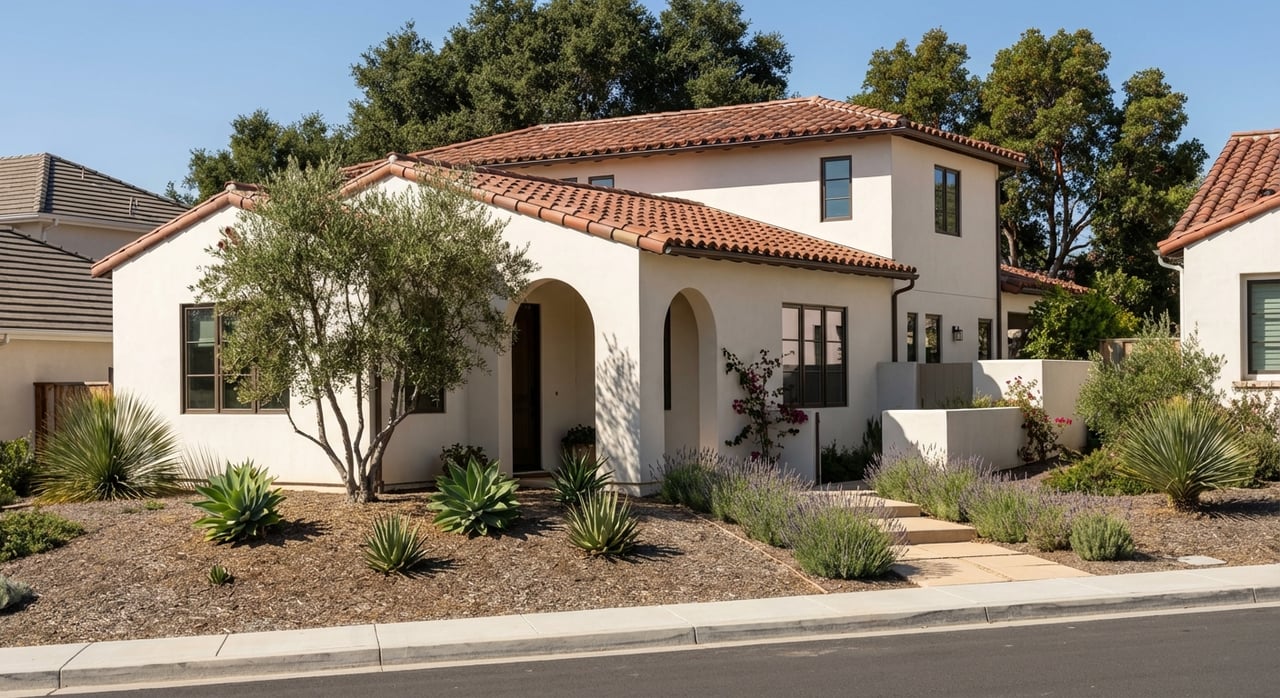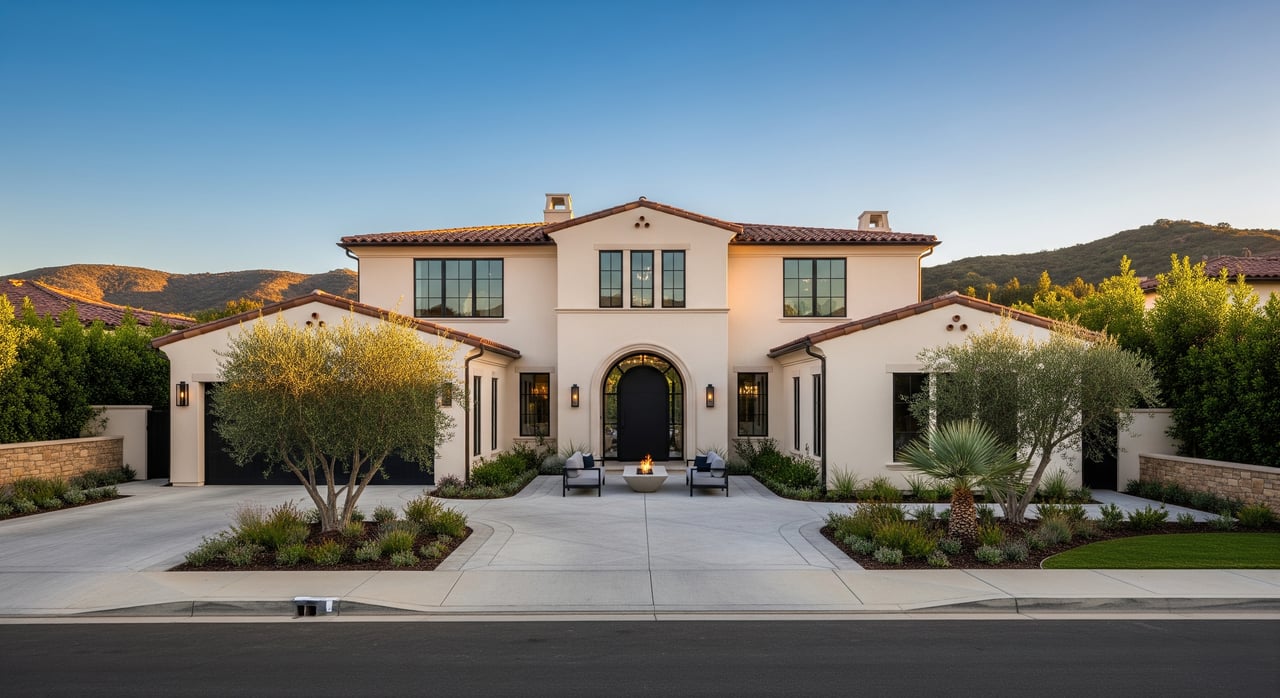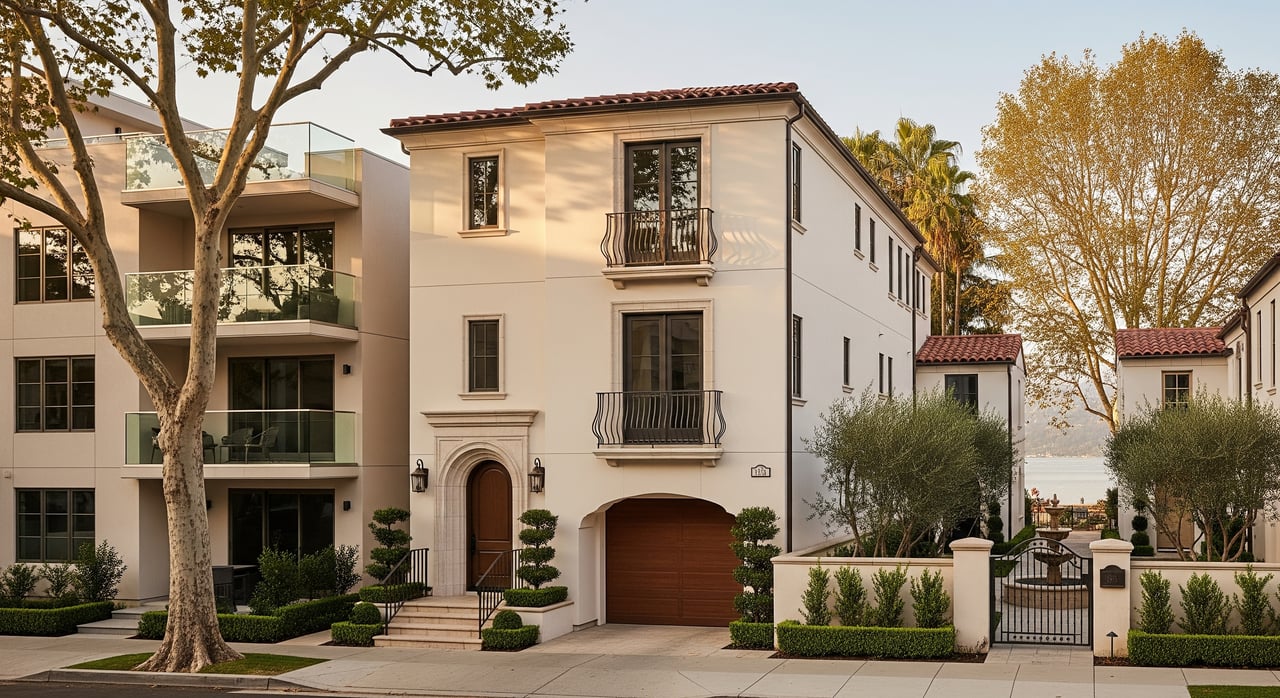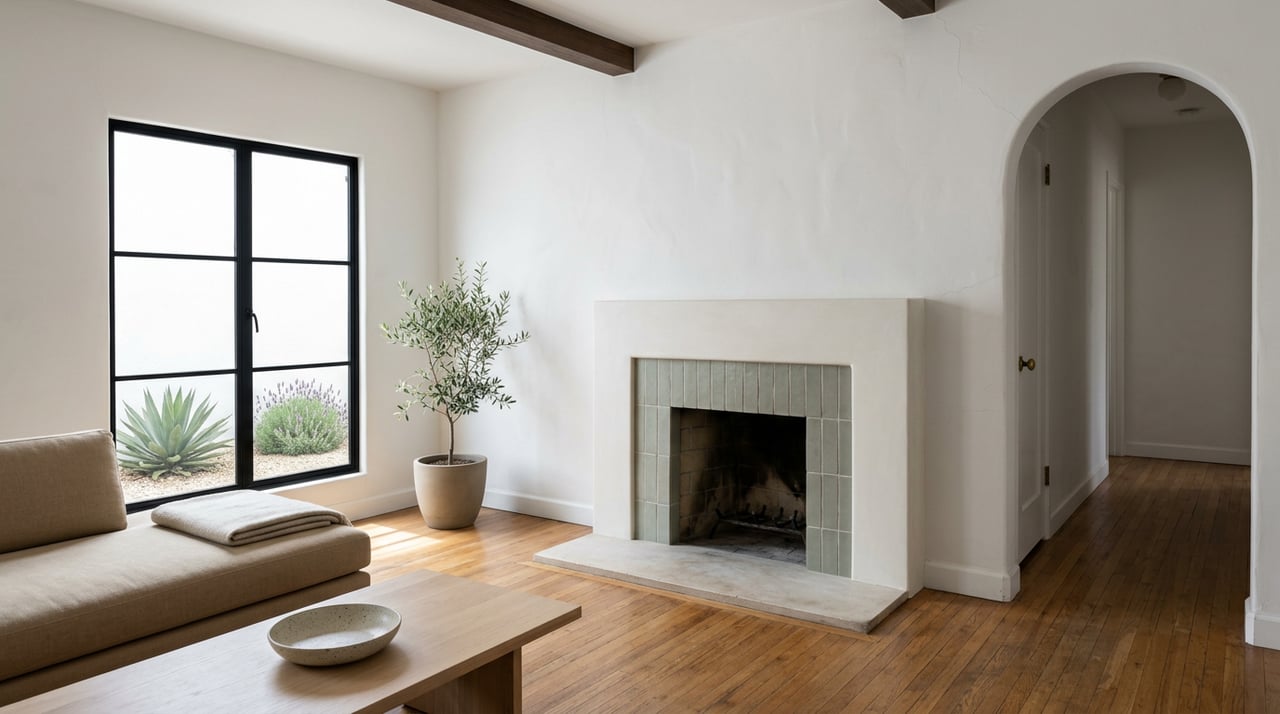
If you love original woodwork, tree-lined streets, and a lively Main Street, a Newhall character home may be calling your name. You want charm without surprises and a clear plan for updates, insurance, and permits. This guide walks you through what to inspect, how to budget, and which local steps matter most so you can buy with confidence and enjoy that Old Town vibe from day one. Let’s dive in.
Why buyers love Newhall character homes
Newhall is Santa Clarita’s historic core, centered around Old Town Newhall with preserved buildings, mature street trees, and a pedestrian-friendly Main Street. You get a distinct neighborhood identity within the broader SCV market and quick access to shops, dining, and commuter options.
- Architectural features you rarely find in new tracts: built-ins, millwork, period lighting, and defined rooms.
- Mature lots and streetscapes that feel established and walkable.
- A strong sense of place near Old Town amenities and events, including the Walk of Western Stars.
If you plan exterior changes or additions near the Old Town core, review the Old Town Newhall Specific Plan and design guidance early so you know what is allowed and how the review process works. You can scan the latest plan materials on the city’s planning page for Old Town Newhall design updates.
Learn more about current design guidance in the Old Town Newhall Specific Plan update materials. Visit the city’s page for the plan update at the Old Town Newhall design update site: Old Town Newhall Specific Plan update.
What counts as a “character” home in Newhall
Character homes here span early 20th-century cottages and bungalows in and around Old Town, plus mid-century and post-war houses across surrounding Newhall neighborhoods. Many sit on raised foundations and may retain original systems. You get charm and history, often at a lower typical value than some newer nearby master-planned areas, while still within Santa Clarita’s competitive market. Recent market reports place the city’s median sale price in the high $700,000s, which helps you benchmark value.
What to inspect first in an older Newhall home
Older Southern California homes share common patterns. Tackle these items early in your contingency period.
Structural and seismic priorities
In California, seismic safety comes first. Common retrofit targets include foundation bolting at sill plates and bracing of short cripple walls. If the home has a crawlspace or raised foundation, add a structural review to your inspection plan.
- Review FEMA and California guidance on wood-frame retrofits and ask your inspector about unbolted sill plates, weak cripple walls, and soft-story conditions.
- Typical bolt-and-brace retrofits often run in the low to mid thousands. The California Earthquake Brace + Bolt program has offered grants to help offset costs, but eligibility and timing vary by year.
For current retrofit basics and common cost bands, see the state’s program resources at CRMP’s FAQs. To check grant cycles and expanded eligibility updates, use the California Earthquake Authority’s latest program news for Earthquake Brace + Bolt.
Roof and drainage
Expect age-related issues with tile or composition roofs, flashing at valleys and roof-to-wall transitions, and gutters. Tile lasts longer but can be pricier to repair. Budget for localized fixes or full replacement depending on what your roofer finds.
Electrical systems
Older homes may have knob-and-tube, cloth-insulated wiring, fuse panels, or undersized service. Many insurers will not write new policies on active knob-and-tube. A whole-house rewire can range widely depending on house size and whether walls are plaster or drywall. Get a licensed electrician’s estimate if you see two-prong outlets or legacy panels.
Review typical replacement costs and what drives them in this guide to knob-and-tube replacement costs.
Plumbing lines
Mid-century homes often used galvanized steel supply lines. Some late 1970s to mid-1990s houses may have polybutylene, which has a documented history of failures. Full or partial repipes are common solutions. Ask your inspector to identify visible pipe materials and bring in a licensed plumber for confirmation and bids.
Termites and wood-destroying organisms
Southern California homes face ongoing termite pressure and potential fungal wood decay. A dedicated wood-destroying organism (WDO) inspection is standard on older homes and often influences negotiations. Expect to see Section 1 items that call out active infestations or damage and Section 2 items for conditions that could lead to problems.
Learn how termite life cycles and treatments work from UC’s integrated pest management guidance: termite identification and control.
Lead-based paint and asbestos
If the home was built before 1978, federal rules require sellers to disclose known lead hazards and provide you with an EPA lead pamphlet. If you have young children, are pregnant, or plan to disturb painted surfaces, consider a lead risk assessment.
- See the EPA’s overview of the lead-based paint disclosure rule.
- Many older homes also contain asbestos in materials like floor tiles, pipe wrap, acoustic ceilings, or roofing. If you plan renovations, an asbestos survey is smart before any demolition or sanding.
For safety basics on handling suspect materials, review the CPSC guide on asbestos in the home.
Energy performance
Expect single-pane windows, little wall insulation, and older HVAC in many character homes. Energy upgrades like attic insulation, efficient windows, and right-sized HVAC improve comfort and reduce operating costs. Ask your inspector about current R-values and system age, then price upgrades during contingency.
Permits, design rules, and escrow timing
City permits and Old Town design controls
The City of Santa Clarita requires permits for building, electrical, plumbing, and many mechanical projects. In the Old Town Newhall area, additional design review may apply for exterior changes. Before planning an addition, new openings, or major system work, check with the city and review the Old Town Newhall design guidelines.
Start with the city’s permit portal to confirm submittal requirements and timelines: City of Santa Clarita permits.
WDO reports and escrow
Who orders and pays for WDO work is negotiated in escrow. Today, many buyers order their own WDO inspection early in contingency so there is time to negotiate repairs or credits if a lender requires a clear Section 1. Build a little calendar buffer in case treatment or repairs are needed before closing.
Insurance and older systems
Underwriting has tightened in parts of California, and carriers often flag older electrical, roofing, or plumbing systems. If the home has knob-and-tube wiring, wood shake roofing, or polybutylene, survey insurance options early and get contractor bids in hand. Some buyers use the California FAIR Plan temporarily while they complete safety upgrades.
For context on recent shifts, see reporting on insurer standards and rate changes in California, including the San Francisco Chronicle’s coverage of tightening criteria: California homeowners insurance changes.
Typical costs and smart budgeting
Actual costs depend on size, access, and scope, but regional ranges can help you plan:
- Seismic bolt-and-brace retrofit: often about $3,000 to $7,000 for standard prescriptive work.
- Whole-house rewire: commonly $8,000 to $30,000+ depending on panel size and wall type.
- Repiping (galvanized or polybutylene): often $7,500 to $22,000 depending on material and access.
- Roof replacement: frequently $8,000 to $30,000+ based on slope, complexity, and material.
- WDO inspection: about $100 to $200, with localized treatments ranging from a few hundred to several thousand for broader remediation.
Budgeting tips:
- Get 2 to 3 bids from specialty trades during contingency: electrician, plumber, roofer, and a licensed pest company.
- Hold a 10 to 20 percent contingency for hidden issues behind walls or under floors.
- Prioritize safety and structure first, then weatherproofing, then comfort and finishes.
Renovation loans that can help
If you want to bundle improvements into your mortgage, renovation financing can be a smart path.
- FHA 203(k): Lets eligible owner-occupants finance repairs and upgrades, with a limited version for smaller scopes and a standard version for major work.
- Fannie Mae HomeStyle Renovation: A conventional alternative with broader scope options and availability for primary, second, or investment properties under lender rules.
Both options require contractor bids, lender review, and timeline management. If you plan to renovate soon after closing, talk to your lender early. Get a quick overview of how 203(k) loans work and how they compare at this guide to renovation loan options.
A step-by-step buying checklist
Use this plan to move from offer to smooth closing.
- Schedule inspections fast
- Full home inspection plus a separate WDO inspection.
- If pre-1978, ensure you receive lead disclosures and consider a lead risk assessment. Review EPA basics at the lead disclosure rule.
- Add a seismic and structural review
- If the home has a crawlspace, raised foundation, or is pre-1980, have a qualified pro assess retrofit needs. Explore retrofit basics at CRMP’s FAQs and confirm permit steps with the City.
- Bring in specialists as needed
- Electrician for two-prong outlets, fuse panels, or old wiring.
- Plumber for galvanized or gray plastic supply lines.
- Roofer if tile or patch repairs are visible.
- Asbestos survey before any planned demolition. See asbestos in the home for safety context.
- Confirm insurability early
- Contact two or three carriers or an independent broker before you remove contingencies. If a system triggers a concern, get a repair bid so you can negotiate.
- Map your financing
- Decide whether to use a renovation loan, personal funds, or contractor financing. If you plan to finance, speak with your lender before you finalize repair requests. Learn the basics at this renovation loan overview.
- Check Old Town design guidance for exterior work
- If your property is in or near the Old Town Specific Plan area, review current design guidelines and process at the Old Town Newhall Specific Plan update. Confirm permits at the City of Santa Clarita permits portal.
Final thoughts
Buying a character home in Newhall is about balance: fall for the charm, then verify the bones. With a focused inspection plan, a smart budget, and clear steps on permits and insurance, you can land the house you love and enjoy it with confidence. If you want a local, boutique-level guide for showings, inspections, and negotiation, reach out to Kym De Lorenzo for a tailored plan.
FAQs
What makes a Newhall home a “character” property?
- In Newhall, that often means early 20th-century cottages or bungalows near Old Town and mid-century houses in surrounding neighborhoods, typically with original details and mature streetscapes.
How much do Newhall seismic retrofits usually cost?
- Standard bolt-and-brace jobs often range about $3,000 to $7,000, with exact pricing based on access and house size; grant programs like Earthquake Brace + Bolt may help offset costs when open.
Will my lender require a termite (WDO) report in Santa Clarita?
- Many lenders require clearance of active infestations. Buyers often order a WDO inspection early so there is time to negotiate repairs or credits during escrow.
Can I get insurance on a home with knob-and-tube wiring?
- Some carriers will not write new policies on active knob-and-tube. You may need to rewire to secure market-rate coverage, so confirm insurability early in your contingency period.
What permits do I need for Old Town Newhall exterior changes?
- Most structural, electrical, plumbing, or exterior changes require permits, and properties in the Old Town Specific Plan area may have extra design review. Check the City of Santa Clarita’s permit portal before you start planning.
Which renovation loan is best for older homes?
- FHA 203(k) and Fannie Mae HomeStyle both let you roll repairs into your mortgage. Your choice depends on scope, occupancy, and lender guidelines, so speak with your lender early.