Wondering whether La Crescenta-Montrose or Los Angeles is the better place to buy your next home? It is a smart question, because these two options can deliver very different day-to-day experiences even though they sit within the same broader region. If you are weighing space, housing style, commute patterns, and overall feel, this guide will help you compare them more clearly. Let’s dive in.
La Crescenta-Montrose vs. Los Angeles at a Glance
La Crescenta-Montrose and Los Angeles are not just different in size. They function differently as housing markets. La Crescenta-Montrose is a defined residential community, while Los Angeles is a much larger city made up of many distinct submarkets.
That difference shows up quickly in the numbers. La Crescenta-Montrose covers 3.43 square miles with 7,394 households, while Los Angeles spans 469.49 square miles with 1,439,097 households. Density is also lower in La Crescenta-Montrose at 5,833.4 people per square mile, compared with 8,304.2 in Los Angeles.
For you as a buyer, that means the comparison is less about one place being better and more about which lifestyle fits your goals. One offers a more defined, foothill-oriented residential setting. The other offers more variety, more urban flexibility, and a wider range of housing choices.
Home Prices and Ownership Patterns
If price is one of your first filters, La Crescenta-Montrose tends to sit higher. The median owner-occupied home value there is $1,207,100, compared with $921,200 in Los Angeles. That is a difference of about $286,000.
Ownership rates also point to a different housing profile. La Crescenta-Montrose has a 59.2% owner-occupied housing rate, while Los Angeles sits at 36.0%. In simple terms, La Crescenta-Montrose leans more heavily toward ownership, while Los Angeles includes a larger share of renters and more housing turnover across many neighborhoods.
That does not automatically make one market more competitive for you than the other. It does suggest that if you are looking for a more settled, owner-oriented environment, La Crescenta-Montrose may feel more aligned. If you want broader budget flexibility and more location options, Los Angeles may give you more paths to explore.
Housing Types Feel Different
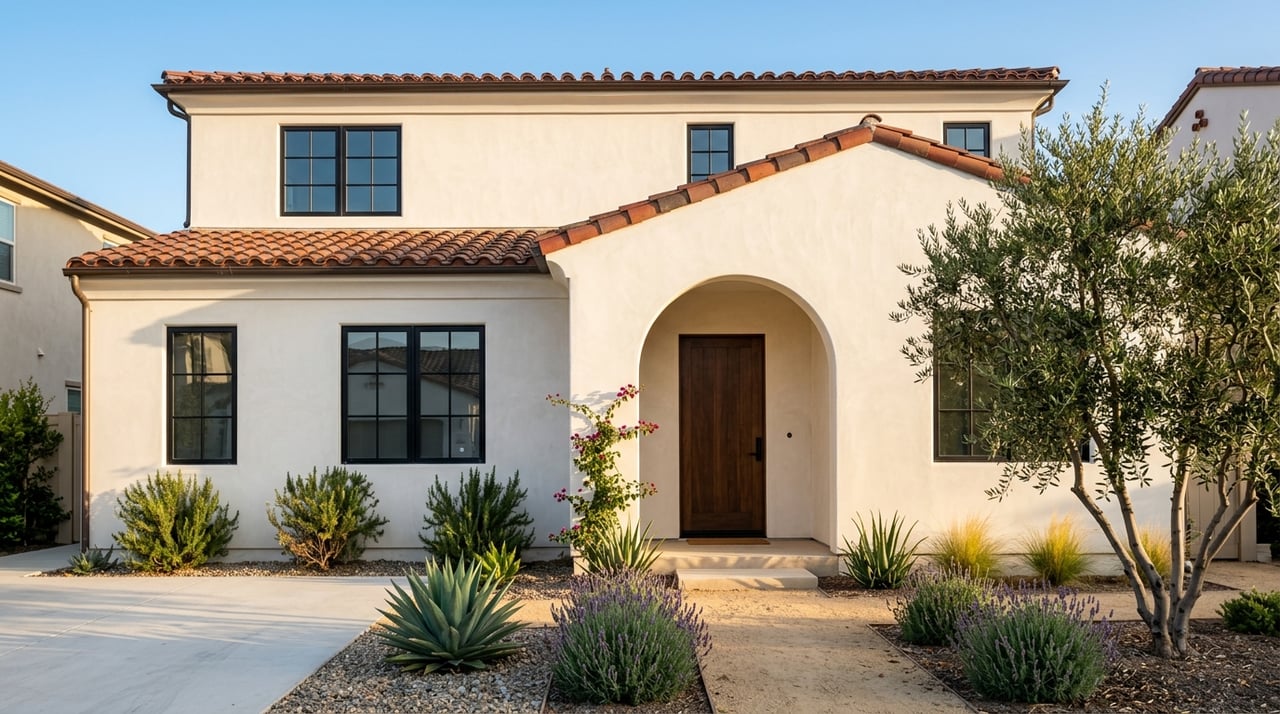
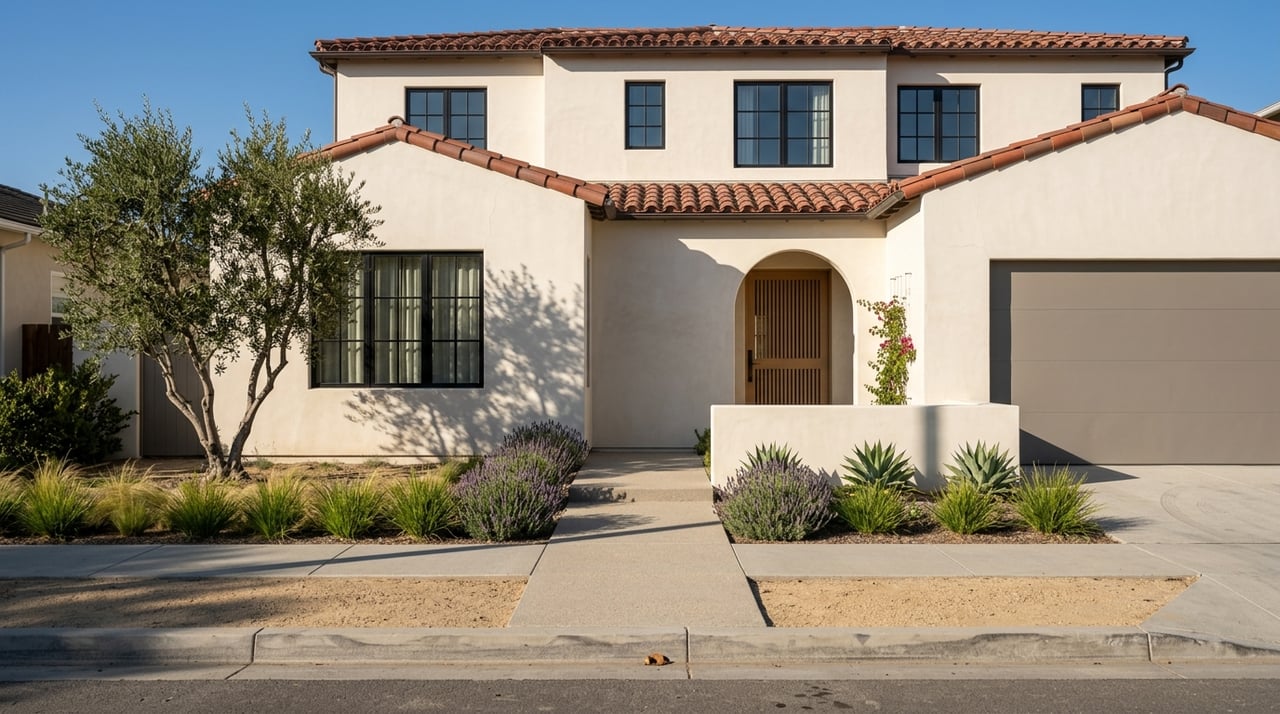
One of the clearest differences is the kind of home you are more likely to find. According to LA County Planning, La Crescenta-Montrose is made up of 76.5% single-family homes and 22.2% multifamily housing. That is a strong signal that detached homes shape much of the local housing experience.
The housing stock there also trends older. About 83% of homes were built before 1979, and less than 1% has been built since 2010. Montrose itself is noted as a planned subdivision dating back to the early 1920s, which adds to the area’s established, neighborhood-scaled character.
Los Angeles, by contrast, offers a much broader housing mix. While the research does not provide one direct apples-to-apples square footage comparison, the available data suggests you are more likely to see apartments, condos, townhomes, and smaller-lot homes across the city’s many neighborhoods.
If your wish list starts with a detached home, older character, and more yard potential, La Crescenta-Montrose may rise to the top. If you want the widest range of property types and price points, Los Angeles gives you more variety to sort through.
Neighborhood Feel and Setting
La Crescenta-Montrose has a foothill setting that shapes how the community feels. LA County Planning notes that it sits against the San Gabriel Mountains and Angeles National Forest, with Glendale and La Cañada-Flintridge nearby. That setting helps create a more open-space-adjacent, residential atmosphere.
The main commercial corridors are Foothill Boulevard and Honolulu Boulevard, and the county also points to places like Rosemont Preserve among local amenities. Taken together, those details support the idea of a more neighborhood-oriented environment rather than a dense urban one.
Los Angeles offers something different. Because it is so large and varied, your experience can shift dramatically from one part of the city to another. That can be a major advantage if you want to prioritize proximity to work, transit, dining, or a specific type of housing.
A simple way to think about it is this: La Crescenta-Montrose offers a more defined residential setting, while Los Angeles offers more location flexibility. Your decision may come down to whether you want a more consistent neighborhood feel or more options across a bigger map.
Commute and Transit Access
At first glance, commute times are fairly similar. The mean commute time is 29.2 minutes in La Crescenta-Montrose and 30.7 minutes in Los Angeles. So the bigger difference is not average commute length. It is how you get where you need to go.
In La Crescenta-Montrose, LA County Planning says I-210 cuts through the Montrose area, and transit is available but limited. The community is served by Metro, LADOT, and Glendale Beeline with four routes. Planning materials also identify Mid-Wilshire as a major job location without a direct transit route, which points to a more driving-oriented pattern for many households.
Los Angeles has the stronger case if transit access matters to you. Metro states that its system connects riders to jobs, healthcare, housing, and other destinations across Los Angeles County. Metro also notes that the D Line extension adds stations at La Brea, Fairfax, and La Cienega, improving access to Mid-Wilshire, Miracle Mile, Koreatown, and Downtown LA.
If you expect to drive most days and want a more residential home environment, La Crescenta-Montrose can still make sense. If you want more transit-rich living and more direct access to central job centers, Los Angeles may be the better fit.
Which Buyer Often Prefers La Crescenta-Montrose?
La Crescenta-Montrose often appeals to buyers who want a more residential setting with a detached-home feel. The local housing mix strongly favors single-family homes, and the owner-occupied rate is relatively high. That combination can be attractive if you are prioritizing a settled environment and a traditional neighborhood layout.
It can also fit buyers who value older housing character and a foothill backdrop. With most of the housing stock built before 1979 and the community positioned near the San Gabriel Mountains, the area offers a different experience than a denser central-city location.
You may lean this direction if your priorities include:
- Detached single-family homes
- Older, established housing stock
- More yard potential
- A quieter, foothill-oriented setting
- A more ownership-heavy residential market
Which Buyer Often Prefers Los Angeles?
Los Angeles often makes more sense for buyers who want flexibility. Because the city is so large, you can compare more neighborhoods, housing types, and price points in one search. That broader menu can be especially useful if your must-haves include access, convenience, or multiple property styles.
It can also be a stronger fit if transit and job-center access are high on your list. Metro’s network and recent D Line expansion support easier connections to several central employment and activity hubs.
You may lean toward Los Angeles if your priorities include:
- More housing variety
- Condos, apartments, or townhomes
- Denser urban convenience
- Stronger transit access
- More location options across the city
A Side-by-Side Comparison
| Factor | La Crescenta-Montrose | Los Angeles |
|---|---|---|
| Market scale | Smaller, more defined community | Large city with many submarkets |
| Median owner-occupied home value | $1,207,100 | $921,200 |
| Owner-occupied rate | 59.2% | 36.0% |
| Housing mix | Mostly single-family homes | Broader mix of housing types |
| Setting | Foothill, residential, open-space-adjacent | Urban, varied, location-flexible |
| Transit pattern | More limited transit, more driving-oriented | Stronger transit access in many areas |
| Best fit for | Buyers wanting detached homes and a quieter pace | Buyers wanting variety and city access |
How to Choose Between Them
Start with the home itself. If your picture of home includes a detached property, older character, and a more residential setting, La Crescenta-Montrose may line up better with your goals. Its housing profile supports that path more clearly.
Then think about how you move through your week. If you want to be closer to major job centers or rely more on transit, Los Angeles likely gives you more practical options. Access can shape your day as much as the home does.
Finally, consider how much flexibility you want in your search. Los Angeles gives you a much larger field of neighborhoods and housing types. La Crescenta-Montrose gives you a more specific lifestyle tradeoff: less centrality in exchange for a more detached-home-oriented environment.
When you compare these two, the right answer is usually not about prestige or trend. It is about fit. If you want help narrowing down the options based on your budget, commute, and preferred home style, Kym De Lorenzo can help you build a smart, local strategy.
FAQs
Is La Crescenta-Montrose more expensive than Los Angeles?
- Yes. The median owner-occupied home value in La Crescenta-Montrose is $1,207,100, compared with $921,200 in Los Angeles.
Does La Crescenta-Montrose have more single-family homes than Los Angeles?
- The research shows La Crescenta-Montrose is 76.5% single-family homes, which supports a more detached-home-focused housing mix than the broader variety found across Los Angeles.
Is Los Angeles better for transit access than La Crescenta-Montrose?
- In general, yes. La Crescenta-Montrose has transit options, but county planning describes them as limited, while Los Angeles has stronger transit connections to major job and activity centers.
Is La Crescenta-Montrose a quieter alternative to Los Angeles?
- The data suggests it often feels more residential and foothill-oriented, with lower density than Los Angeles and a housing mix that leans heavily toward single-family homes.
Should you buy in La Crescenta-Montrose or Los Angeles?
- It depends on what matters most to you. La Crescenta-Montrose may be a better fit for detached homes and a more settled residential setting, while Los Angeles may be a better fit for housing variety, transit, and location flexibility.